
by admin | Feb 16, 2011 | Blog, Design
“Most people can agree on what Santa Clause looks like – jolly, with a red suit and a white beard. But he did not always look that way, and Coca-Cola advertising actually helped shape this modern-day image of Santa.
2006 marked the 75th anniversary of the famous Coca-Cola Santa Clause. Starting in 1931, magazine ads for Coca-Cola featured St. nick as a kind, jolly man in a red suit. Because magazines were as widely viewed, and because the image of Santa appeared for more than three decades, the image of Santa most people have today is largely based on our advertising… Before the 1931 introduction of the Coca-Cola Santa Claus created by artist Haddon Sundbiom, the image of Santa ranged from big to small to fat to tall. Santa even appeared as an elf and looked a bit spooky…
The Cocacola Company began its christmas advertising in the 1920s with shopping-related ads in magazines like The Saturday Evening Post… At this time, many people thought of Coca-Cola as a drink only for warm weather. The Coca-Cola Company began a campaign to remind people that coca-Cola was a great choice in any month. This began with the 1922 slogan “Thrist Knows No Season”, and continued with a campaign connecting a true icon of winter – Santa Claus – with the beverage.”
Many of the older brands have rich histories that make them “legendary”, however new and small brands can benefit similarly if they follow the rules of being interesting and authentic. Keep in mind these “legends” were also just a small business, with nothing more than the vision and passion of their founders.
Did Coca Cola really invent Santa Claus? Maybe not but it certainly made him their brand ambassador and part of our popular culture for ever!
by admin | Feb 16, 2011 | Blog, Content, Promotion, Strategy
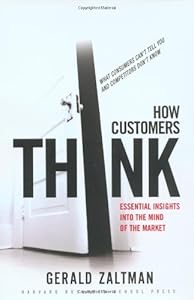
Cover via Amazon
People love stories from children’s fairy tales to books and movies. A story is more memorable than a straightforward message. A story is easy to re-tell and pass on to other consumers, hence providing your brand with more Word of Mouth Marketing opportunities.
A brand story needs to be:
- Real and authentic
- Colourful and interesting
Advertisements are nothing more than stories with the best ones engaging their audience. Famous brands such as Virgin and Apple have real stories surrounding their founders and form an important element of their positioning strategy.
Most common marketing stories:
Blake Snyder (professional screenwriter) has story scenarios that align to Maslow’s Hierarchy of needs:
- Physical Needs
- Safety Needs
- Social Needs (Buddy Love & Rights of Passage)
- Self Esteem Needs (Fool Triumphant & Superhero)
- Cognitive Needs (Everyman v Big Brother)
- Aesthetic Needs (Look good, Feel Good)
- Self Actualisation (Search for Meaning & Personal Salvation)
Gerald Zaltman, author of “How Customers Think” and Professor at Harvard Business School identifies deep metaphors in the minds of consumers in “Marketing Metaphoria”:
- Balance
- Transformation
- Journey
- Container
- Connection
- Resource
- Control
and Christopher Booker’s book, “Seven Basic Plots – Why We Tell Stories” (which took him 35 years to write) has the following:
- Overcoming the monster: Defeating a force which threatens safety, existence, success – David v Goliath
- The Quest: A group in search of something (who may find it or something ‘better’)
- Journey and Return: The hero journeys away from home and comes back (having experienced something and maybe having changed for the better)
- Comedy: Not necessarily ‘haha’ funny. a misunderstanding or ignorance is created that keeps parties apart, which is resolved, by the end, bringing them back together
- Tragedy: Someone, tempted (vanity, greed, etc), becomes increasingly desperate, or trapped by their actions, until the climax where they usually die
- Rebirth: Hero is captured or oppressed (a living death existence) until they are miraculously freed
- Rags to Riches: Overcoming a state of poverty, want, and/or need.
By telling your brand story you can differentiate your business and form a stronger connection with your customers and prospects. By understanding why you started the business, or for example why you named it in a certain way, customers will feel like they know you and understand you. After all it is hard to connect with someone you don’t understand.

by admin | Feb 13, 2011 | Blog

Having a brand personality is important because brands are an emotional connection between your products and services and your target audience, and we now know that this emotional connection is critical in attracting and retaining customers.
Having a brand with a personality allows marketers to deliver communication that stands out from the “sameness” of their category and connect much faster and on a deeper level with prospects and customers. People can relate to things they feel have a personality, especially one which they can identify with. From the cars we drive to the pets we choose, we are subconsciously guided by our reflection in them.
Brand personality is usually a function of the following:
1. Personality and values of the founder
2. Personality and values of the current leader
3. Personality and values of the company’s most loyal customers.
Brand Personality is a critical input into the design of the overall brand, especially the:
– Brand Name,
– Brand Story, and
– Positioning Statement.
Brand Personality should flow right through the company and be positively reflected in the customer brand experience.
To work out your brand personality, you can engage the help of your best customers, colleagues, employees, suppliers and even friends, asking them to describe firstly your personality in 5-8 adjectives and then do the same for your company or organisation. In most cases you will find that they align. Alternatively there maybe a good reasons why you do not want them to align. What ever the outcome it will assist you greatly in projecting the right perceptions for you business to its target market.
The brand personality is the BRAND!
Here are a few famous examples: Virgin, Body Shop, Walmart, Oprah, Dr. Phil, Beckham Paul Newman’s Own, and most fashion designer label brands are all intrinsically linked to the personalities of the founders.
Although this has worked tremendously well for these and other businesses naming your brand new “baby” after yourself has many drawbacks, especially if you don’t have the name recognition of a super star athlete and in general naming the brand has a number of criteria that you need to consider a strategic process you should follow.
Here are a number of brand personality examples that have been created through focusing on a specific niche; great brand naming that reflects these personality traits:
– Geek Squad is both a consumer as well a USA SME technology company owned by the giant Best Buy retail group, assisting customers with everything from installing in home theatres to computer networking in their businesses. It’s great name and personality that permeates the company has now been copied in various formats all over the world yet none of the copycats can dream of the same success.
– Mr. Mutual Fund – Vern Hayden is one of the top financial planners in the USA specialising in mutual funds (superannuation). He got to be where he is by focusing and being the greatest expert on his area of expertise – mutual funds! However he chose a more traditional name for his company http://www.haydenwealth.com/ and decided not to link it directly to his personal brand of Mr. Mutual Fund.
– Ms. Megabyte and Gadget Guy are 2 independent Australian technology experts who entertain and inform Australians by providing reviews and demystifying technology. Everyone knows who they are, yet few would know of Yvonne Adele and Peter Blasina. This illustrates the power of correctly branding your business.
– Bounce Back Fast is a consultancy and training organisation that focuses on building resilience to pressure and stress.
– The Productivity Queen needs no explanation,
– Powerful Points is a leading Powerpoint training organisation that counts some of Australia’s top companies and their C-suite executives as it’s clients
When we look at most of the examples above, it quickly becomes apparent that these sometimes “one man bands” have a number of things in common:
1. They are specialists, they are “the only” in their market
2. They are easy to remember
3. They are easy to promote because they have a great name, a personality and a STORY to tell
4. They are famous amongst their intended target audience.
The next entry will cover the importance of telling your brand story!
 Image via Wikipedia
by admin | Feb 13, 2011 | Blog, Strategy
Having a brand personality is important because brands are an emotional connection between your products and services and your target audience, and we now know that this emotional connection is critical in attracting and retaining customers.
Having a brand with a personality allows marketers to deliver communication that stands out from the “sameness” of their category and connect much faster and on a deeper level with prospects and customers. People can relate to things they feel have a personality, especially one which they can identify with. From the cars we drive to the pets we choose, we are subconsciously guided by our reflection in them.
Brand personality is usually a function of the following:
1. Personality and values of the founder
2. Personality and values of the current leader
3. Personality and values of the company’s most loyal customers.
Brand Personality is a critical input into the design of the overall brand, especially the:
– Brand Name,
– Brand Story, and
– Positioning Statement.
Brand Personality should flow right through the company and be positively reflected in the customer brand experience.
To work out your brand personality, you can engage the help of your best customers, colleagues, employees, suppliers and even friends, asking them to describe firstly your personality in 5-8 adjectives and then do the same for your company or organisation. In most cases you will find that they align. Alternatively there maybe a good reasons why you do not want them to align. What ever the outcome it will assist you greatly in projecting the right perceptions for you business to its target market.
The brand personality is the BRAND!
Here are a few famous examples: Virgin, Body Shop, Walmart, Oprah, Dr. Phil, Beckham Paul Newman’s Own, and most fashion designer label brands are all intrinsically linked to the personalities of the founders.
Although this has worked tremendously well for these and other businesses naming your brand new “baby” after yourself has many drawbacks, especially if you don’t have the name recognition of a super star athlete and in general naming the brand has a number of criteria that you need to consider a strategic process you should follow.
Here are a number of brand personality examples that have been created through focusing on a specific niche; great brand naming that reflects these personality traits:
– Geek Squad is both a consumer as well a USA SME technology company owned by the giant Best Buy retail group, assisting customers with everything from installing in home theatres to computer networking in their businesses. It’s great name and personality that permeates the company has now been copied in various formats all over the world yet none of the copycats can dream of the same success.
– Mr. Mutual Fund – Vern Hayden is one of the top financial planners in the USA specialising in mutual funds (superannuation). He got to be where he is by focusing and being the greatest expert on his area of expertise – mutual funds! However he chose a more traditional name for his company http://www.haydenwealth.com/ and decided not to link it directly to his personal brand of Mr. Mutual Fund.
– Ms. Megabyte and Gadget Guy are 2 independent Australian technology experts who entertain and inform Australians by providing reviews and demystifying technology. Everyone knows who they are, yet few would know of Yvonne Adele and Peter Blasina. This illustrates the power of correctly branding your business.
– Bounce Back Fast is a consultancy and training organisation that focuses on building resilience to pressure and stress.
– The Productivity Queen needs no explanation,
– Powerful Points is a leading Powerpoint training organisation that counts some of Australia’s top companies and their C-suite executives as it’s clients
When we look at most of the examples above, it quickly becomes apparent that these sometimes “one man bands” have a number of things in common:
1. They are specialists, they are “the only” in their market
2. They are easy to remember
3. They are easy to promote because they have a great name, a personality and a STORY to tell
4. They are famous amongst their intended target audience.
The next entry will cover the importance of telling your brand story!
Image via Wikipedia
by admin | Feb 9, 2011 | Blog
Examples of campaignable Brand Names, Logos and Positioning Statements


Recent Comments